



Real estate investing in Nigeria is evolving faster than ever. With rising inflation, currency volatility, and shifting consumer demand, investors are increasingly looking beyond traditional long-term rentals and exploring short-stay models like Airbnb, Zimmr-style booking terminals, and serviced apartments.
But the big question remains: Which strategy will give better returns in 2026. Airbnb or Traditional Rentals? Let’s break it down like an investor.
Understanding Both Investment Models
Airbnb / Short-Stay Rentals
This model is widely known in Lagos, and other prime states also adopt the Airbnb or Shortlet investment model. This model involves renting properties to guests for short durations, daily or weekly. There are platforms that can achieve this for you, and there are individuals who manage different units across the states. Platforms like Airbnb, Booking.com, and local solutions such as Zimmr make this easier and more automated.
Traditional Apartment Rentals
This is the standard annual rent model, where tenants pay for 6–12 months and stay long-term. Each has its strengths, but in 2026, the Nigerian landscape is shifting in ways investors must understand.
Revenue Potential: Airbnb Wins (But Not Automatically)
Average Monthly Earnings (2026 Estimates)
- Airbnb / Short-stays: ₦450,000 – ₦1.8M per month
- Traditional 1-year rentals: ₦1.2M – ₦8M per year (depending on area)
This means: Short-stay hosts often make 2×–5× more than annual rentals when occupancy is above 60%.

Why Short-Stays Earn More
- Higher daily rates
- More flexibility to adjust pricing with inflation
- Ability to earn from add-ons: cleaning fee, airport pickup, late checkout
- Best-performing locations (Lekki, Ikoyi, Wuse 2, Gwarinpa) have tourist + business demand all year
Traditional Rentals Earn Less Because
- Rent is fixed for a year despite inflation
- Tenant issues (delayed rent, property damage)
- Zero additional income streams
- Landlords get stuck in long contracts
Risk Comparison: Traditional Rentals Are Safer (But Lower-Yield)
Airbnb Risks
- Occupancy fluctuations
- High competition in saturated areas
- Operational cost: cleaning, staff, utilities, maintenance
- Guest behavior risk
- Regulatory changes (Lagos has started reviewing short-let rules)
Traditional Rental Risks
- Tenant default or sudden vacancy
- Slow rental growth
- High eviction difficulty
- Property degradation over time
In 2026, the real risk is inflation eroding rental value, a big blow to traditional landlords.
Operational Costs: Airbnb Is Higher.
To run a short-stay unit profitably, you typically need:
- Professional cleaning
- Stable power (inverter or solar)
- Furnishings
- Online booking management
- Guest support
- Security systems
But here’s the reality:
The Zimmr Advantage: Why Short-Stay Returns Are Becoming More Reliable
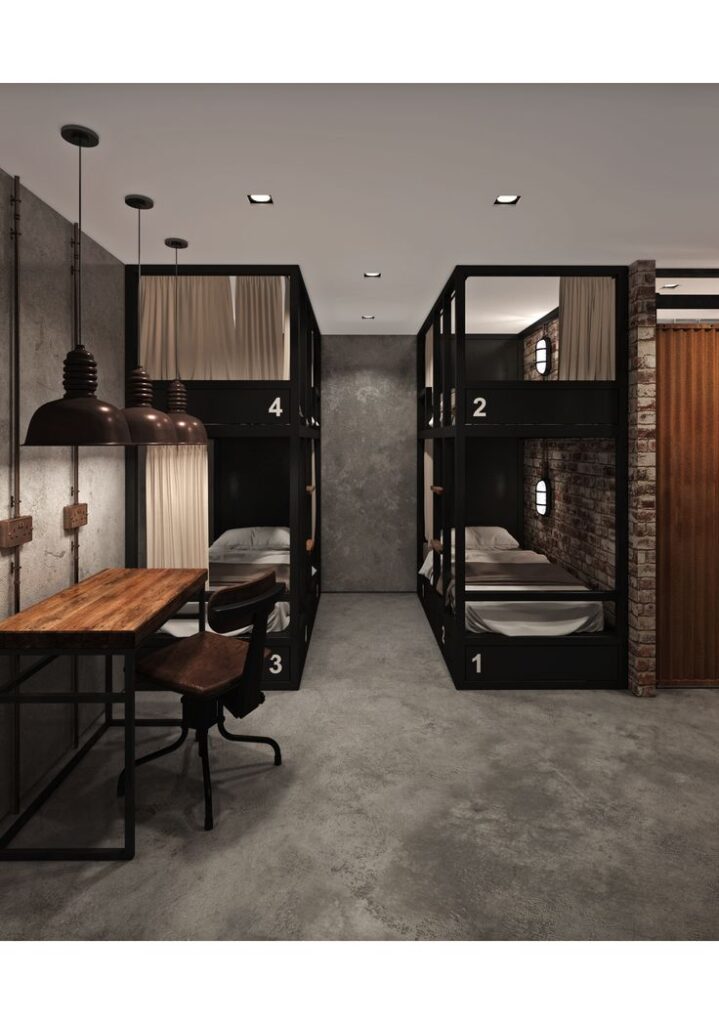
Most investors fail with Airbnbs because they treat it like a side hustle. Zimmr removes that problem by providing:
✔ Automated Check-in / Check-out
No staff drama.
✔ Verified Guest Access
Reduces damage + bad guest behavior.
✔ Occupancy Optimization
The system pushes units to multiple booking platforms at once.
✔ Transparent Earnings Tracking
Investors can see performance and projections in real time.
✔ Scalable Unit Management
A single terminal can serve 260+ apartments.
This is why short-stay investors in 2026 are outperforming traditional landlords not just because of daily rates, but because tech removed the operational stress.
Zimmr’s Investment Snapshot
| Features | Details |
| Model | Hospitality real estate for business travelers |
| Location | Lagos (Oshodi, Ojota, Yaba Terminals) |
| Entry Cost | ₦1 million minimum |
| Project Value | ₦50 million (11-bed facility) |
| ROI Projection | Up to 10x in 5 years |
| Investment Deadline | January 2026 |
| Investor Access | Verified equity participation |
| Waitlist | 100+ early-stage business travelers and investors |
Return on Investment Comparison (2026 Projection)
| Metric | Airbnb / Zimmr Short-Stay | Traditional Apartment Rental |
| Occupancy Target | 60–85% | 95–100% |
| Monthly Earnings | ₦450k–₦1.8M | ₦100k–₦600k |
| Annual ROI | 18% – 45% | 4% – 10% |
| Risk Level | Medium | Low |
| Management Need | High (unless automated) | Low |
| Inflation Protection | Strong | Weak |
So Which Investment Wins in 2026?
If your goal is maximum profit → Airbnb / Short-stay wins.
By a very wide margin. If your goal is stability → Traditional rentals win.
If you’re interested in investing in a real estate Investment product that will generate you greater returns, Fill the interest form
